Fieldwork
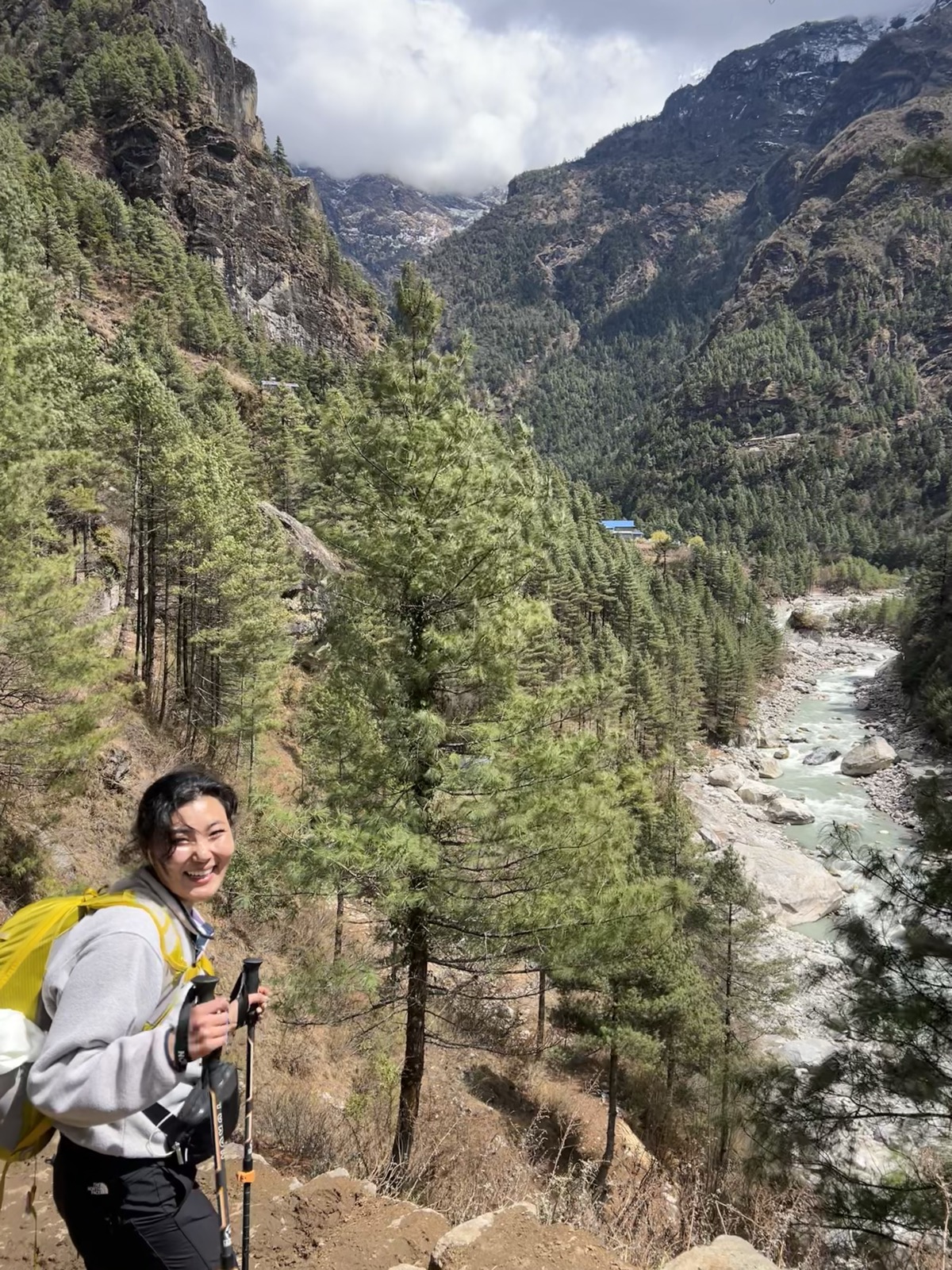
Solukhumbu, Nepal (March 2026)
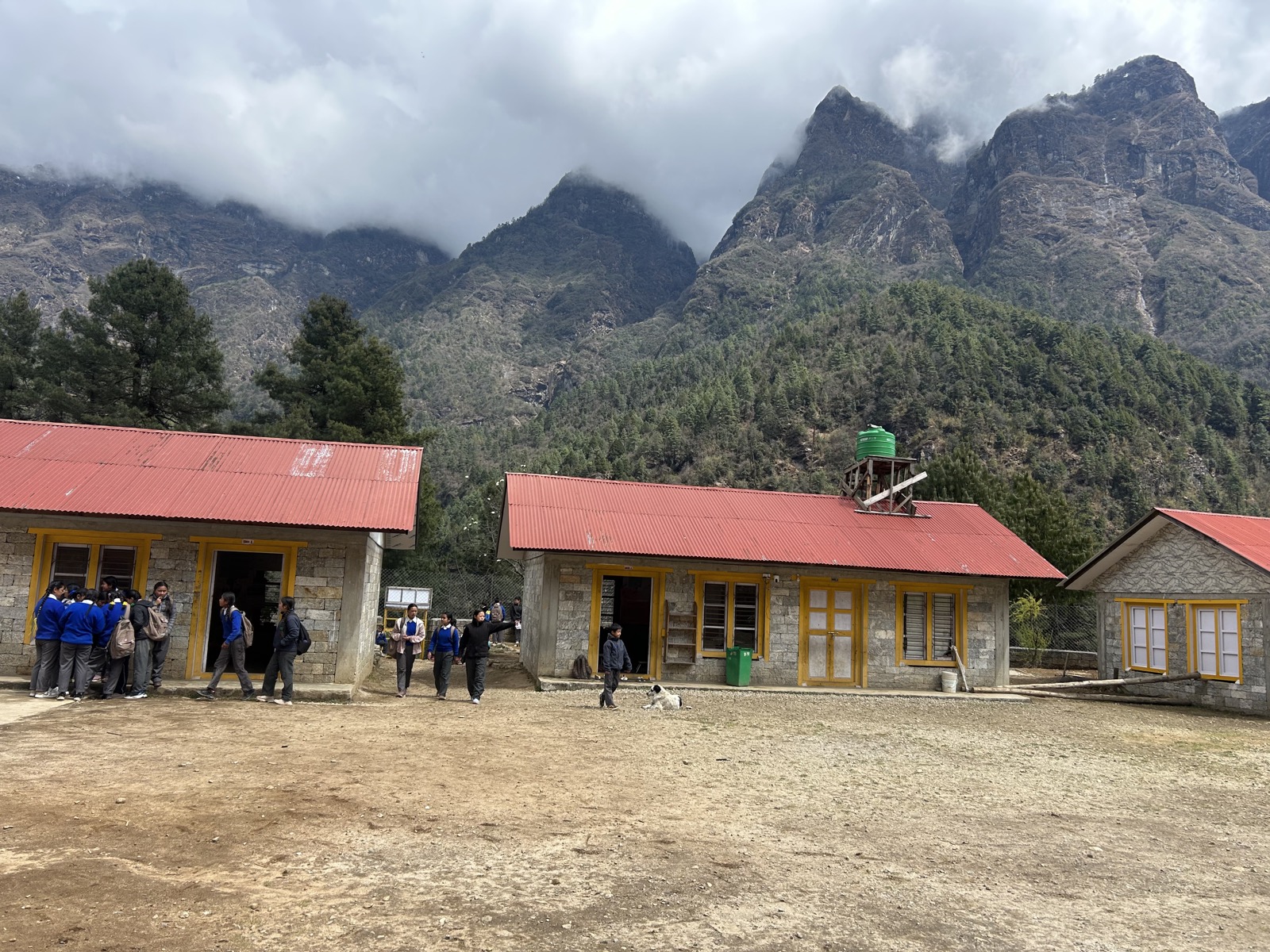
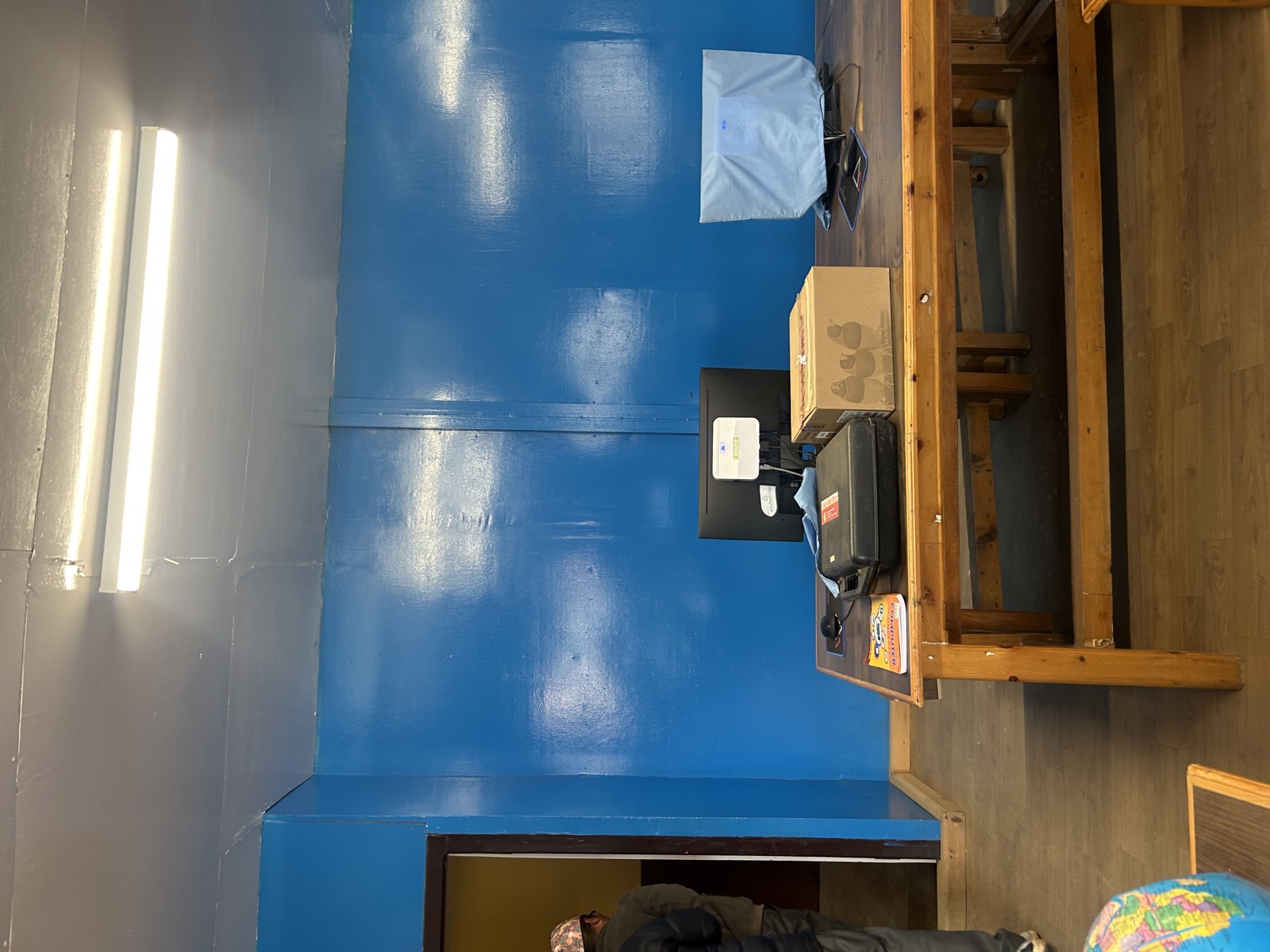
In March 2026 I conducted dissertation fieldwork in Solukhumbu District, Nepal, visiting four schools across the Khumbu and Junbesi clusters. The visit informs the computer lab effects on student learning.
The schools I visited were:
- Shree Yuba Barsha Basic School (Khumbu Pasanghamu RM-3)
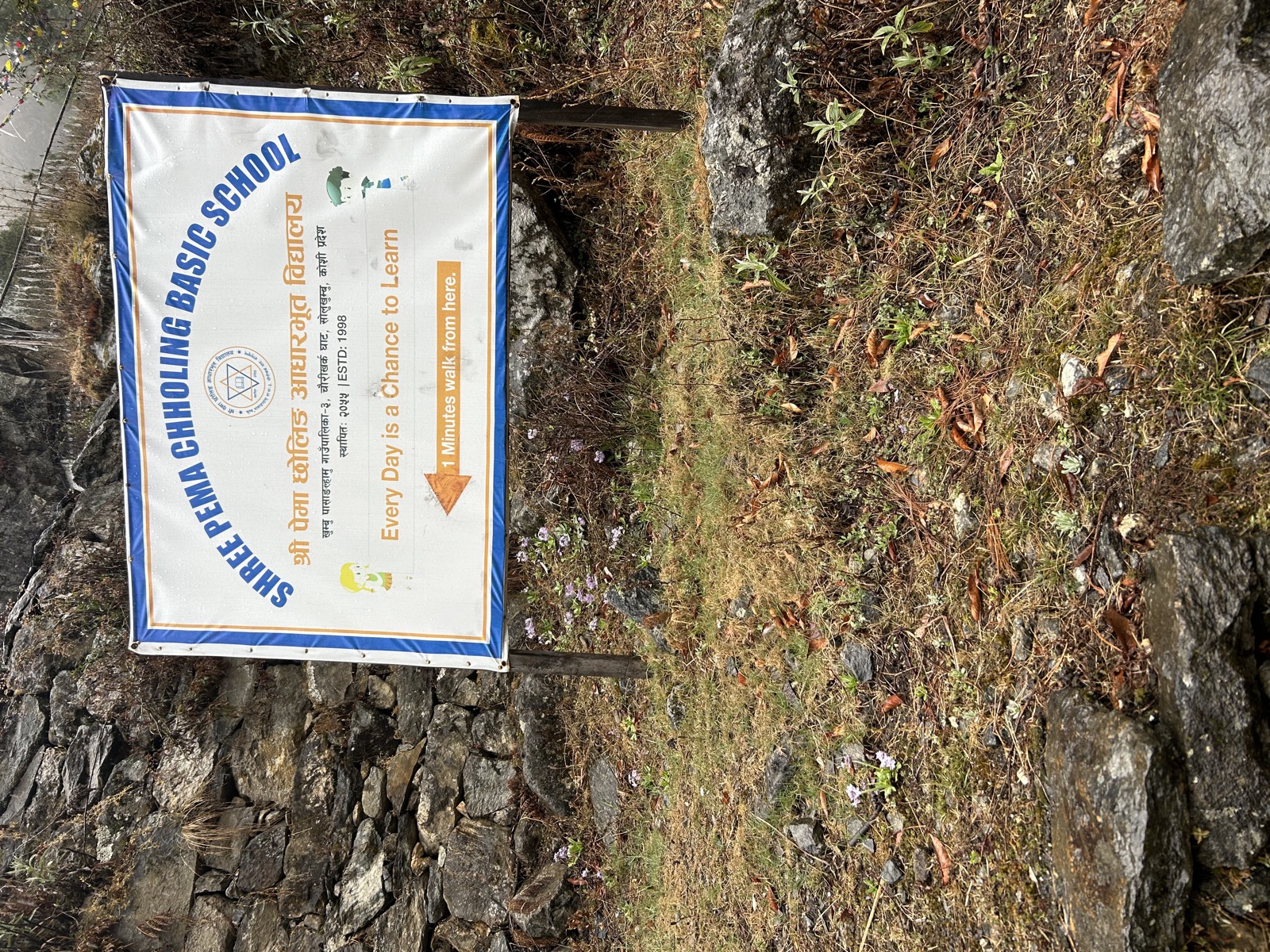
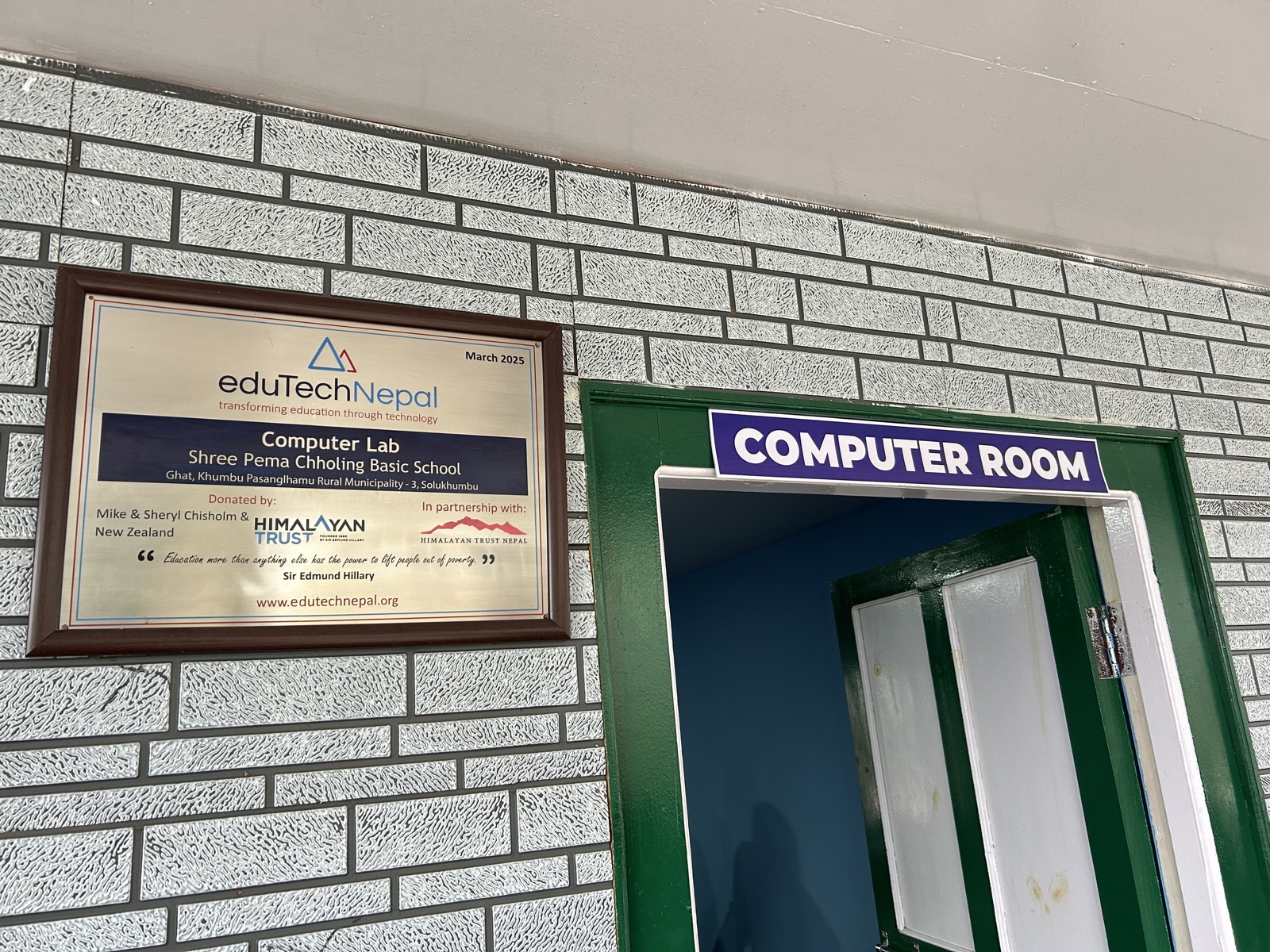
- Shree Pema Chholing Basic School
- Janasewa Basic School
- Mahendra Jyoti Secondary School
At each site I observed computer lab use, interviewed teachers, conducted focus group discussions with students, and documented student work and exam materials. I also catalogued the HTN Quality Education Programme record-keeping system and collected term exam papers across grades 4–7.

What the fieldwork sharpened
Across the four sites, the binding constraint on the educational value of the computer labs was rarely the hardware. Schools where teachers had self-taught computer skills produced creative, diverse student output: Student-made PowerPoint presentations, drawings, and short essays. Schools without that human capital used identical labs largely for rote typing.
Acknowledgments
The fieldwork was conducted in partnership with the Himalayan Trust Network’s Quality Education Programme and was approved under UW IRB STUDY00024333. Photographs are shared with the permission of the Himalayan Trust Network and the participating schools. I am grateful to the school principals, teachers, students, and HTN staff in Solukhumbu for their generosity and time.